
1877 Kashmir Snowfall: The Deadliest Winter in Kashmir’s History That Changed the Valley Forever
The 1877 Kashmir snowfall remains one of the most extreme and tragic winter events ever recorded in the Himalayan region. Unlike modern snowfall seasons that now attract tourists from across India and the world, the snowfall of 1877–1878 brought devastation, famine, and mass isolation across the Kashmir Valley.
This historic winter was not just a weather event — it was a turning point that reshaped disaster preparedness, infrastructure development, and winter survival strategies in Kashmir.
Even today, more than a century later, people continue to search for 1877 Kashmir snowfall, trying to understand how heavy snow could bring an entire valley to a standstill.
What Exactly Happened During the 1877 Kashmir Snowfall?
The winter of 1877 witnessed continuous snowstorms for nearly three months. Unlike present winters where snowfall comes in phases, Kashmir experienced:
• Back-to-back blizzards
• Sub-zero temperatures without thawing
• Trade routes blocked for weeks
• Entire villages buried under snow
Snow depth in many areas exceeded 10 to 15 feet, making movement nearly impossible.
The capital city, Srinagar, was completely cut off from Jammu and Ladakh.
Today, areas like Gulmarg, Sonmarg, and Pahalgam are known for scenic snowfall — but in 1877 these same regions were buried beyond recognition.
(You can explore modern snowfall destinations like Gulmarg’s winter wonderland experience, snow adventures in Sonmarg, and white landscapes of Pahalgam through our destination guides.)
Why Was the 1877 Kashmir Snowfall So Severe?
Climate historians believe several rare phenomena occurred simultaneously:
🌨 Continuous Western Disturbances
Multiple moisture-laden systems hit Kashmir repeatedly with no melting gap.
❄ Extreme Cold Temperatures
Temperatures stayed far below freezing, preserving snow accumulation.
🏔 Himalayan Blockage
Snow sealed off mountain passes used for trade and food supply.
🏚 Lack of Preparedness
No forecasting technology, no snow clearance, no emergency stocks.
Together, these created one of the worst winter disasters in South Asian history.
The Great Kashmir Winter Famine
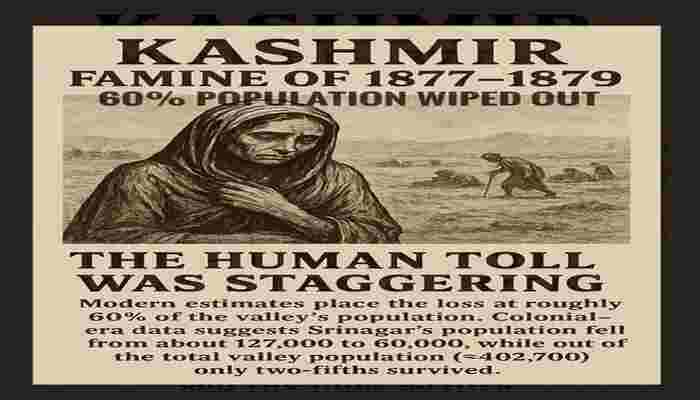
The snowfall led to a deadly famine known historically as the Great Famine of 1877–78.
With food routes closed:
• Grain supplies vanished
• Livestock perished
• Families survived on roots and bark
• Thousands lost their lives
British colonial reports documented the crisis as one of the worst humanitarian disasters of the 19th century in India.
How Much Snow Actually Fell?
Historical measurements weren’t as precise as today, but recorded estimates suggest:
| Region | Estimated Snow Depth |
|---|---|
| Mountain villages | 12–15 feet |
| Srinagar outskirts | 8–10 feet |
| Gulmarg plateau | Over 15 feet |
| Trade passes | Completely buried |
Even rivers like parts of the Jhelum partially froze.
From Tragedy to Tourism: How Kashmir Transformed Its Winters
Today, snowfall in Kashmir is no longer feared — it is celebrated.
Tourists now flock for:
🎿 Skiing in Gulmarg
📸 Snow photography
🚠 Gondola rides above snowy peaks
❤️ Honeymoon winter escapes
🌨 Snowfall experiences in Srinagar
You can explore current winter travel options through Kashmir tour packages curated for snowfall season, which offer safe, guided experiences across the valley.
Modern Snowfall Patterns vs 1877
While snowfall still occurs heavily between December and March, today Kashmir has:
✔ Advanced weather forecasting
✔ Snow clearing machines
✔ Emergency supply systems
✔ Tourism safety protocols
Heavy snow may close roads temporarily, but life continues — unlike the total isolation of 1877.
Scientific Explanation: What Causes Heavy Snowfall in Kashmir?
Kashmir’s snowfall mainly occurs due to:
🌬 Western Disturbances originating from the Mediterranean
❄ Cold Himalayan air masses
🌧 Moisture condensation at high altitudes
This process remains unchanged since 1877 — only preparedness has improved.
Trusted Historical & Climate Sources
To ensure accuracy, historians and climate researchers reference:
• British colonial famine reports (1877–78)
• Indian Meteorological Department climate studies
• Himalayan climate research papers
• South Asian historical disaster archives
You can explore more climate-related insights through trusted publications like:
👉 Historical climate records of South Asia
👉 Indian Meteorological Department snowfall research
👉 Himalayan environmental studies journals
Why the 1877 Kashmir Snowfall Still Matters Today
It reminds us:
✔ Climate extremes are real
✔ Infrastructure saves lives
✔ Preparedness prevents disasters
✔ Nature commands respect
It also shows how Kashmir evolved into one of India’s safest winter tourism regions.
Best Snowfall Places in Kashmir Today (Safe & Scenic)
If you want to experience snowfall without danger:
👉 Gulmarg – India’s top ski destination
👉 Sonmarg – pristine snowy meadows
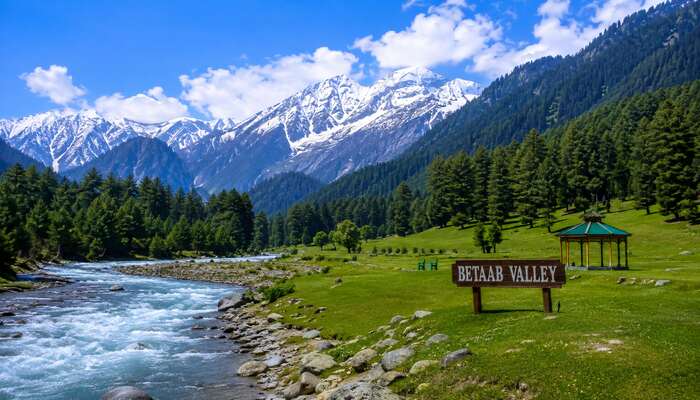
👉 Pahalgam – peaceful winter valley
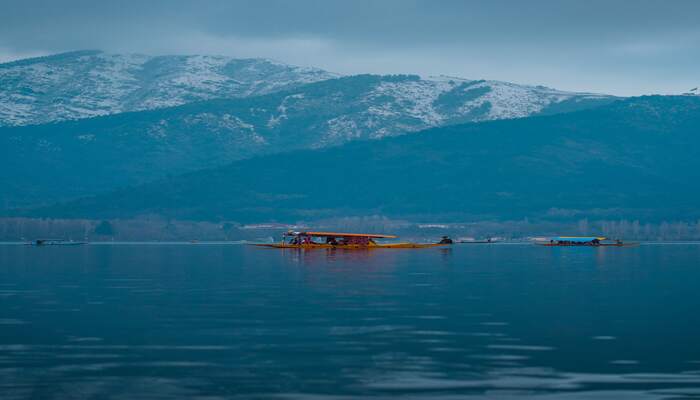
👉 Dal Lake Srinagar – frozen lake views
👉 Yusmarg – untouched snow landscapes
(All beautifully managed for travelers.)
Frequently Asked Questions About 1877 Kashmir Snowfall
Was 1877 the heaviest snowfall in Kashmir history?
Yes, it is considered the worst recorded winter in Kashmir.
Did people survive without modern technology?
Many did not. Lack of food and isolation caused massive casualties.
Does Kashmir still get such heavy snowfall?
Snowfall is heavy but nowhere near 1877 levels.
Is it safe to visit Kashmir during snowfall today?
Yes — with modern infrastructure, winter tourism is safe and popular.
Final Thoughts
The 1877 Kashmir snowfall stands as both a tragic chapter in history and a powerful lesson in human resilience.
From famine to flourishing winter tourism, Kashmir has transformed its harsh winters into breathtaking experiences for travelers.
Today, snow brings joy — not fear.
🌨 Ready to Experience Kashmir Snowfall Safely?
Explore our hand-crafted Kashmir winter tour packages, snowfall sightseeing experiences, and expert-guided trips designed for comfort, safety, and unforgettable memories.
 Pahalgam, Jammu & Kashmir: Complete Travel Guide & Packages 2026
  Kashmir Tour Packages 2026 – Best Kashmir Holiday Packages
  Solo Tour Packages: Kashmir & Ladakh Guide 2026