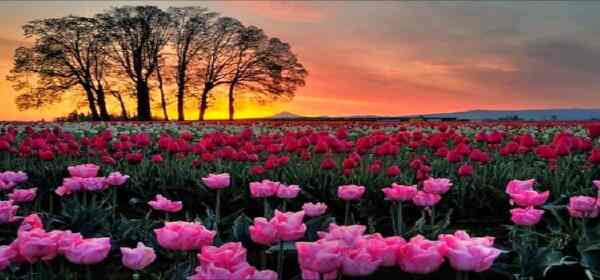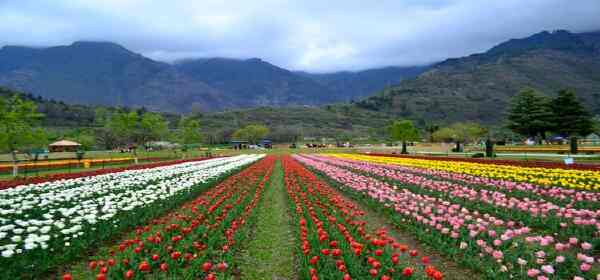
Description
Indira Gandhi Memorial Tulip Garden, Srinagar – Complete Information, Geography, Climate, and Cultural Importance
The Indira Gandhi Memorial Tulip Garden, commonly known as the Tulip Garden of Kashmir, is a large-scale floriculture landscape located in Srinagar, Jammu and Kashmir, at the foothills of the Zabarwan mountain range. It is officially recognized as Asia’s largest tulip garden and plays a central role in Kashmir’s spring ecology, seasonal tourism cycle, and cultural calendar.
Spread across terraced slopes overlooking Dal Lake, the garden is a scientifically planned botanical site rather than a recreational park. Its design, flowering cycle, and seasonal operation are closely linked to Kashmir’s alpine climate, snowmelt patterns, and spring temperature gradients.
The Tulip Garden is also the primary venue of the Tulip Festival of Kashmir, one of the most significant spring festivals celebrated in Jammu and Kashmir, marking the seasonal transition from winter dormancy to agricultural and cultural renewal.
Geographical Location and Natural Setting
The Tulip Garden is situated on the south-eastern edge of Srinagar city, between the Dal Lake basin and the Zabarwan Hills, forming a unique ecological interface between wetland systems and mountainous terrain.
-
Altitude: Approx. 1,600 meters above sea level
-
Topography: South-facing terraced slopes
-
Hydrology: Fed indirectly by snowmelt from Zabarwan ridges
-
Nearby water body: Dal Lake, Srinagar
The south-facing orientation ensures maximum sunlight exposure, which is critical for tulip flowering in a cold alpine climate.
Why the Tulip Garden Exists Only in Spring
Tulips are photoperiod-sensitive plants, meaning their blooming depends on a precise balance of daylight duration, soil temperature, and moisture availability. Kashmir’s spring season provides this narrow ecological window.
Key factors include:
-
Gradual snowmelt from surrounding hills
-
Day temperatures between 12°C and 20°C
-
Cold but non-freezing nights
-
Well-drained loamy soil on terraced slopes
This is why the Tulip Festival in Kashmir is celebrated only for a limited period, usually lasting three to four weeks.
Indira Gandhi Memorial Tulip Garden – Design and Layout
Unlike flat botanical gardens, the Tulip Garden follows a tiered terrace system, allowing:
-
Uniform sunlight exposure
-
Natural gravity-based drainage
-
Visual layering of цвет bands
Each terrace is planted sequentially with different tulip varieties, ensuring staggered blooming rather than simultaneous flowering.
This layout is one of the main reasons the garden attracts botanists, photographers, and researchers studying high-altitude floriculture.
Variety of Tulips Grown in Kashmir
The Tulip Garden hosts over 60 varieties of tulips, sourced and adapted for Himalayan conditions. These include:
-
Single Early Tulips – bloom at the start of the season
-
Double Early Tulips – dense, rose-like petals
-
Triumph Tulips – mid-season bloomers
-
Darwin Hybrid Tulips – known for large flowers
-
Lily-Flowered Tulips – pointed petal structure
-
Parrot Tulips – fringed and multicolored petals
This wide variety of tulips contributes to the garden’s reputation as a flagship floriculture site in South Asia.
Tulip Festival of Kashmir – Cultural Context
The Tulip Festival is one of the most famous festivals celebrated in Kashmir during the spring season. It is not only a flower exhibition but also a cultural event reflecting the region’s artistic and social traditions.
Festival elements include:
-
Traditional Kashmiri music and folk performances
-
Cultural programs representing different regions
-
Handicraft and local produce displays
Within the broader calendar of fairs and festivals of Jammu and Kashmir, the Tulip Festival marks the symbolic beginning of the tourism and agricultural year.
When Does the Tulip Festival Start in Kashmir?
The exact opening date varies annually based on climatic conditions. However:
-
Typical period: Late March to mid-April
-
Peak bloom: First 10–12 days after opening
-
Late bloom: Final week before closure
The festival officially begins when at least 70% of early-bloom tulips open, ensuring visual consistency across terraces.
Spring Season and Its Importance in Kashmir
Spring is considered the most ecologically active season in Kashmir, influencing:
-
Crop cycles
-
Pasture regeneration
-
River flow stability
-
Cultural celebrations
The Tulip Garden acts as a biological indicator of spring onset in the Kashmir Valley, often preceding other agricultural activities.
Environmental Management and Conservation Practices
The Tulip Garden operates under strict environmental controls:
-
No plucking or trampling policy
-
Regulated daily visitor numbers
-
Manual irrigation to prevent soil erosion
-
Seasonal soil rejuvenation
These measures ensure sustainability of the garden without damaging the surrounding Dal Lake ecosystem.
Tulip Garden and Kashmir Tourism
The Tulip Garden plays a strategic role in Kashmir tourism by:
-
Extending the tourist season into early spring
-
Attracting domestic and international visitors
-
Supporting seasonal employment
It also complements nearby destinations such as Srinagar city, Zabarwan Hills, and cultural heritage zones.
Relationship with Other Spring Festivals
The Tulip Festival aligns with other seasonal observances such as:
-
Navroz
-
Urs commemorations
-
Early agricultural fairs
Together, these festivals form a spring cultural cluster within the state of Jammu and Kashmir.
Frequently Asked Questions
Which is the most famous tulip garden in India?
The Indira Gandhi Memorial Tulip Garden in Srinagar is the largest and most famous in India.
Why is the Tulip Festival important?
The festival marks the arrival of spring and plays a key role in Kashmir’s cultural and tourism calendar.
How long do tulips bloom in Kashmir?
Tulips typically bloom for three to four weeks, depending on weather conditions.
Conclusion
The Indira Gandhi Memorial Tulip Garden is not merely a tourist attraction but a scientifically planned floriculture landscape that reflects Kashmir’s climate, geography, and cultural rhythms. Its seasonal bloom, limited duration, and ecological sensitivity make it one of the most significant spring landmarks in Jammu and Kashmir.
Photo