Description
Quick Summary
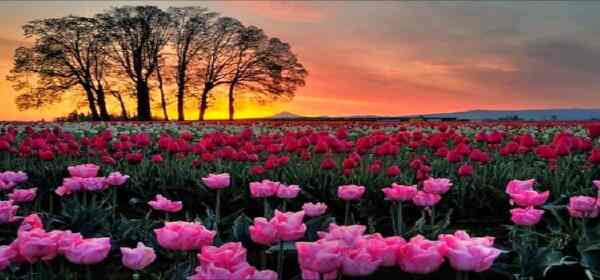
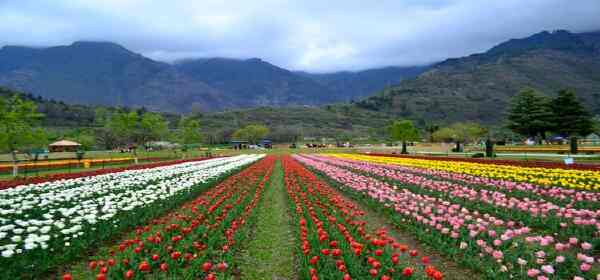
Indira Gandhi Memorial Tulip Garden, popularly known as the Tulip Garden of Srinagar, is the largest tulip garden in Asia. Located at the foothills of the Zabarwan Range overlooking Dal Lake, it opens for only three to four weeks during spring, usually from late March to mid-April. The garden showcases more than 1.7 million tulip bulbs and over 60 varieties of tulips, attracting visitors, photographers, botanists, families and nature lovers from across the world. This guide explains the Tulip Garden's geography, flowering season, weather, history, ticket information, nearby attractions, ecology, cultural importance and practical travel advice.
Definition: The Indira Gandhi Memorial Tulip Garden is a seasonal botanical garden developed to promote floriculture, spring tourism and environmental awareness in Kashmir. It is recognised as Asia's largest tulip garden and is one of the most visited attractions in Srinagar during spring.
Last Updated: August 2026
Why Trust This Guide?
This guide has been researched and prepared by the destination experts at Aabdar Holidays, a trusted Kashmir & Ladakh Destination Management Company (DMC). Every spring, our team assists travellers visiting the Tulip Garden and nearby attractions such as Dal Lake, Nishat Garden, Shalimar Garden and the Mughal Gardens. The information below combines official tourism data, local knowledge and our first-hand experience operating Kashmir tours.
Who Is This Guide For?
- Families planning a Kashmir holiday
- Honeymoon couples
- Nature lovers and flower enthusiasts
- Photographers and content creators
- Students researching floriculture and botany
- Visitors planning the Tulip Festival
- Travellers visiting Srinagar during spring
- Anyone searching for complete information about the Tulip Garden in Kashmir
Quick Facts About Tulip Garden Srinagar
| Information | Details |
|---|---|
| Official Name | Indira Gandhi Memorial Tulip Garden |
| Location | Zabarwan Foothills, Srinagar, Jammu & Kashmir |
| Altitude | Approximately 1,600 metres above sea level |
| Area | Approximately 30 hectares |
| Tulip Varieties | More than 60 |
| Tulip Bulbs | Over 1.7 Million |
| Best Time to Visit | Late March to Mid-April |
| Opening Season | Spring Only |
| Nearest Airport | Srinagar International Airport |
| Ideal For | Families, Couples, Photography, Nature Lovers |
People Also Ask
What is the Tulip Garden in Srinagar famous for?
The Indira Gandhi Memorial Tulip Garden is famous for being Asia's largest tulip garden, featuring more than 1.7 million tulip bulbs blooming every spring against the backdrop of Dal Lake and the Zabarwan Mountains.
When does the Tulip Garden open?
The garden usually opens during the last week of March and remains open for approximately three to four weeks depending on weather conditions and flowering patterns.
What is the best time to visit the Tulip Garden?
The best time is during the first two weeks after opening, when most tulip varieties are in full bloom and weather conditions are pleasant.
How much time is required to visit the Tulip Garden?
Most visitors spend between one and two hours exploring the terraced gardens, photography points and nearby viewpoints overlooking Dal Lake.
Is the Tulip Garden worth visiting?
Yes. It is one of the most beautiful spring attractions in India and a highlight of every Kashmir itinerary during March and April.
Our Local Experience
Every spring, the travel specialists at Aabdar Holidays organise Tulip Festival tours for guests from India and abroad. Based on our experience, visiting the garden early in the morning provides the best lighting for photography, fewer crowds and the clearest views of Dal Lake and the surrounding Zabarwan Hills. The first week after the official opening generally offers the most colourful floral display.
Should You Visit the Tulip Garden?
The Tulip Garden is an excellent choice if you are looking for:
- Spring holidays in Kashmir
- Colourful flower displays
- Landscape photography
- Family sightseeing
- Honeymoon experiences
- Nature walks
- Botanical interest
- The famous Tulip Festival
If you visit Kashmir between late March and mid-April, the Tulip Garden is one of the destinations that should not be missed.
History of the Indira Gandhi Memorial Tulip Garden
The Indira Gandhi Memorial Tulip Garden was developed by the Government of Jammu and Kashmir to promote floriculture, increase spring tourism and showcase Kashmir's natural beauty before the traditional summer tourist season begins. Before the garden was established, most visitors travelled to Kashmir between May and July. The creation of the Tulip Garden successfully extended the tourism season into early spring, bringing thousands of additional visitors to Srinagar every year.
The garden was officially opened to the public in 2007 and was originally known as the Siraj Bagh Floriculture Garden. It was later renamed the Indira Gandhi Memorial Tulip Garden in honour of former Prime Minister Indira Gandhi.
Since its inauguration, the garden has expanded significantly in both size and floral diversity. Today it contains more than 1.7 million tulip bulbs representing over 60 varieties, making it the largest tulip garden in Asia and one of the most visited seasonal attractions in India.
Every year, horticulture experts carefully import, preserve and plant tulip bulbs months before the flowering season. The blooming period lasts only a few weeks, making each spring season unique.
Geographical Location and Natural Setting
The Tulip Garden is situated on the eastern side of Srinagar at the foothills of the majestic Zabarwan Mountain Range. The elevated terraces overlook the famous Dal Lake, creating one of the most picturesque landscapes in Kashmir.
The combination of mountain slopes, fertile soil, snow-fed irrigation and cool spring temperatures provides nearly ideal growing conditions for tulips. Few places in India possess the climatic conditions necessary for large-scale tulip cultivation, making Srinagar uniquely suited for this botanical attraction.
| Geographical Feature | Details |
|---|---|
| District | Srinagar |
| Region | Kashmir Valley |
| Mountain Range | Zabarwan Hills |
| Altitude | Approx. 1,600 metres |
| Nearby Lake | Dal Lake |
| Landscape | Terraced Mountain Slopes |
The south-facing terraces receive abundant sunlight throughout the day while the surrounding mountains protect the garden from strong winds. This natural setting creates favourable conditions for healthy tulip growth and prolonged flowering.
Why Does the Tulip Garden Bloom Only in Spring?
Short answer: Tulips require a long winter dormancy followed by gradually increasing spring temperatures. Kashmir naturally provides this climate, allowing millions of tulips to bloom together for only a few weeks every year.
Tulips are seasonal flowering plants that remain dormant beneath the soil throughout winter. During this period, bulbs require prolonged exposure to cold temperatures before they can begin producing flowers.
As snow melts across the Zabarwan Hills during late March, soil temperatures slowly rise while daylight hours become longer. This combination triggers rapid flowering, creating the spectacular display seen during the Tulip Festival.
Unlike many ornamental flowers that bloom repeatedly throughout the year, tulips flower only once each season. After blooming, the flowers gradually fade while the bulbs store nutrients for the following year's growth.
- Cold winter dormancy
- Gradual snowmelt
- Cool spring temperatures
- Well-drained mountain soil
- Increasing daylight hours
- Controlled irrigation
These natural conditions explain why the Tulip Garden remains open only during spring.
Climate and Weather During the Tulip Festival
The spring climate of Srinagar is one of the biggest reasons behind the success of the Tulip Garden. Temperatures remain pleasant throughout the flowering season, making sightseeing comfortable for visitors.
| Month | Temperature | Conditions |
|---|---|---|
| March | 7°C–17°C | Beginning of flowering season |
| April | 10°C–22°C | Peak bloom and pleasant weather |
| May | 13°C–27°C | Flowering season ends |
Morning temperatures remain cool, making early visits especially enjoyable for sightseeing and photography.
Tulip Festival in Kashmir
The Tulip Festival is one of the most celebrated spring events in Jammu and Kashmir. Organised annually by the Department of Tourism and the Floriculture Department, the festival welcomes visitors from across India and around the world.
Besides millions of colourful tulips, visitors can experience:
- Traditional Kashmiri folk music
- Cultural dance performances
- Handicraft exhibitions
- Local food stalls
- Traditional Kashmiri dress displays
- Photography competitions
- Flower exhibitions
- Cultural programmes
The festival officially marks the beginning of Kashmir's spring tourism season and significantly contributes to the local economy.
Different Types of Tulips Found in the Garden
One of the main attractions of the garden is its incredible diversity of tulip varieties. More than sixty different cultivars bloom across the terraced landscape, producing vibrant colours and distinctive flower shapes.
Popular varieties include:
- Darwin Hybrid Tulips
- Triumph Tulips
- Single Early Tulips
- Double Early Tulips
- Lily Flowered Tulips
- Parrot Tulips
- Fringed Tulips
- Viridiflora Tulips
- Rembrandt Tulips
- Fosteriana Tulips
Each variety blooms at a slightly different time, allowing the garden to remain colourful throughout the flowering season instead of blooming all at once.
Photography at the Tulip Garden
The Tulip Garden is considered one of the finest photography locations in Kashmir during spring. The colourful flower beds, panoramic mountain views and reflections of Dal Lake provide countless opportunities for landscape and portrait photography.
The best photography spots include:
- Upper terrace viewpoints
- Central flower beds
- Dal Lake overlook
- Zabarwan mountain backdrop
- Symmetrical walking paths
- Tulip display sections
Early morning and late afternoon generally provide the best natural lighting while avoiding the largest tourist crowds.
Nearby Attractions to Visit with the Tulip Garden
The Indira Gandhi Memorial Tulip Garden is located in one of the most scenic parts of Srinagar, making it easy to combine several famous attractions in a single day. Since most sightseeing places are only a few minutes apart, visitors often include the Tulip Garden in a full-day Srinagar itinerary.
| Attraction | Distance | Why Visit |
|---|---|---|
| Dal Lake | 1 km | Shikara rides, houseboats and sunset views |
| Nishat Garden | 2 km | Historic Mughal garden overlooking Dal Lake |
| Shalimar Garden | 5 km | World-famous Mughal heritage garden |
| Chashme Shahi | 1.5 km | Natural spring and Mughal architecture |
| Pari Mahal | 3 km | Historic monument with panoramic city views |
| Hazratbal Shrine | 8 km | One of Kashmir's most important religious sites |
| Shankaracharya Temple | 10 km | Ancient hilltop temple overlooking Srinagar |
Most travellers combine the Tulip Garden with Dal Lake, Nishat Garden, Shalimar Garden and Pari Mahal, making it one of the most enjoyable sightseeing circuits in Srinagar.
How to Reach the Tulip Garden
The Tulip Garden is easily accessible from every part of Srinagar and is connected by well-maintained roads. Visitors can travel by taxi, private cab or local transport.
By Air
The nearest airport is Srinagar International Airport, approximately 18 kilometres from the Tulip Garden. The journey normally takes around 35 to 45 minutes.
By Road
The garden is connected by Boulevard Road, one of the most scenic roads in Kashmir, running alongside Dal Lake.
By Taxi
Private taxis remain the most convenient option for visitors exploring Srinagar's Mughal Gardens and Tulip Garden together.
Distance from Major Locations
| Location | Distance | Travel Time |
|---|---|---|
| Srinagar Airport | 18 km | 40 Minutes |
| Lal Chowk | 9 km | 25 Minutes |
| Dal Lake | 1 km | 5 Minutes |
| Nishat Garden | 2 km | 5 Minutes |
| Shalimar Garden | 5 km | 10 Minutes |
| Hazratbal Shrine | 8 km | 20 Minutes |
Tulip Garden Timings
The Tulip Garden generally opens every day during the flowering season. Opening and closing dates vary each year depending on weather conditions and the blooming cycle.
| Information | Details |
|---|---|
| Opening Season | Late March to Mid-April |
| Opening Time | 9:00 AM |
| Closing Time | 7:00 PM |
| Recommended Visit | Morning (9 AM–11 AM) |
Visitors should always confirm current opening dates before travelling, as flowering depends on seasonal weather conditions.
Entry Ticket Information
Entry tickets are issued by the Department of Floriculture, Government of Jammu & Kashmir. Ticket prices may change from season to season.
Visitors are advised to check the latest official ticket prices before planning their visit.
Facilities Available Inside the Garden
- Wide walking paths
- Resting benches
- Public washrooms
- Parking area
- Food kiosks during festival season
- Photography viewpoints
- Security personnel
- Medical assistance during major events
- Wheelchair-friendly pathways in selected areas
Environmental Conservation
The Tulip Garden follows strict environmental management practices to preserve both the flowers and the surrounding ecosystem. Since the garden is located close to Dal Lake and the Zabarwan Hills, conservation remains a top priority.
Protective measures include:
- Restricted access to flower beds
- Manual maintenance of tulip plantations
- Scientific bulb preservation
- Controlled irrigation systems
- Waste management programmes
- Daily horticultural monitoring
- Protection of surrounding vegetation
Visitors are encouraged not to pluck flowers or walk inside plantation areas to help preserve the garden for future generations.
Travel Tips for Visiting the Tulip Garden
- Visit during the first week after opening for the best bloom.
- Arrive early to avoid crowds.
- Wear comfortable walking shoes.
- Carry sunglasses and sunscreen.
- Bring a camera with extra batteries.
- Do not step inside flower beds.
- Check the weather forecast before travelling.
- Combine the visit with nearby Mughal Gardens.
- Book accommodation early during the Tulip Festival.
- Respect local rules and environmental guidelines.
Why Visit the Tulip Garden with Aabdar Holidays?
Every spring, the travel experts at Aabdar Holidays organise customised Tulip Festival tours for families, honeymoon couples, photographers and corporate groups. Our local experience helps visitors plan the best day to visit according to bloom conditions, weather forecasts and crowd levels.
Based on our experience, weekday mornings usually offer the most comfortable sightseeing conditions and the clearest views across Dal Lake and the Zabarwan Mountains.
Sources & References
- Department of Floriculture, Jammu & Kashmir
- Department of Tourism, Jammu & Kashmir
- India Meteorological Department (IMD)
- Sher-e-Kashmir University of Agricultural Sciences & Technology
- Local destination research by Aabdar Holidays
- First-hand field observations by our destination experts
About the Author
Aabdar Holidays Editorial Team
This guide has been researched, written and reviewed by the destination specialists at Aabdar Holidays, a trusted Kashmir & Ladakh Destination Management Company. Our team visits the Tulip Garden every spring season to provide travellers with accurate, practical and up-to-date information based on first-hand experience.
Reviewed: August 2026
Editor's Note
The Tulip Garden is a seasonal attraction, and flowering depends entirely on weather conditions. Opening dates, ticket prices and blooming stages may vary each year. This guide is reviewed regularly to provide accurate and updated travel information.
Key Takeaway
The Indira Gandhi Memorial Tulip Garden is one of India's most spectacular seasonal attractions and the largest tulip garden in Asia. With millions of colourful tulips, breathtaking views of Dal Lake, the Zabarwan Mountains and the vibrant Tulip Festival, it offers an unforgettable spring experience for families, photographers, honeymoon couples and nature lovers visiting Kashmir.
Plan Your Tulip Festival Trip with Aabdar Holidays
Aabdar Holidays offers customised Tulip Festival tour packages including airport transfers, hotels, houseboats, sightseeing, private taxis and complete Kashmir holiday itineraries. Whether you are travelling with family, friends or planning a honeymoon, our local destination experts help you experience the Tulip Garden at its peak bloom with a hassle-free travel experience.
Photo