Description

Quick Summary

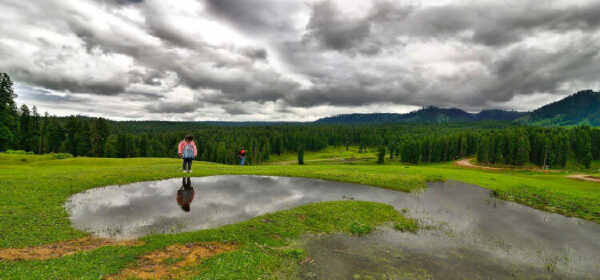
Doodhpathri, meaning "Valley of Milk", is one of Kashmir's most beautiful alpine meadow destinations located in the Budgam district of Jammu & Kashmir. Situated at an altitude of approximately 2,730 metres (8,957 feet), Doodhpathri is famous for its lush green meadows, dense pine forests, flowing streams, snow-covered mountains and the crystal-clear Doodh Ganga River. This comprehensive guide explains its geography, weather, climate, biodiversity, tourism importance, travel information and local experiences to help travellers plan an unforgettable visit.

Last Updated: August 2026

Why Trust This Guide?

This destination guide has been researched and reviewed by the local travel specialists at Aabdar Holidays, a trusted Kashmir & Ladakh Destination Management Company. Our team regularly operates sightseeing tours to Doodhpathri throughout the year, allowing us to provide first-hand travel advice, practical local information and updated recommendations based on real on-ground experience.


Who Is This Guide For?

  • Families planning a Kashmir holiday
  • Honeymoon couples
  • Nature lovers
  • Landscape photographers
  • Adventure travellers
  • Students researching Himalayan geography
  • Visitors looking for offbeat destinations in Kashmir
  • Anyone searching for authentic information about Doodhpathri

Quick Facts About Doodhpathri

Information Details
Location Budgam District, Jammu & Kashmir
Altitude Approx. 2,730 metres (8,957 feet)
Distance from Srinagar Approximately 42 km
Main River Doodh Ganga River
Best Time to Visit April to October
Nearest Airport Srinagar International Airport
Popular Attractions Doodh Ganga River, Alpine Meadows, Pine Forests, Tangnar
Ideal For Family Holidays, Nature Lovers, Photography, Day Trips, Couples

What is Doodhpathri?

Doodhpathri is a high-altitude alpine meadow located in the Budgam district of Kashmir, known for its rolling grasslands, dense forests, fresh mountain streams and the famous Doodh Ganga River. Often called the "Valley of Milk", it is one of Kashmir's most peaceful and naturally preserved tourist destinations.

Unlike commercial hill stations, Doodhpathri remains largely untouched by large-scale construction, allowing visitors to experience authentic Himalayan landscapes, clean mountain air and pristine natural beauty.


People Also Ask

What is Doodhpathri famous for?

Doodhpathri is famous for its lush green meadows, the Doodh Ganga River, scenic mountain landscapes, horse riding, picnic spots and peaceful atmosphere away from crowded tourist destinations.

Why is it called Doodhpathri?

The name Doodhpathri means "Valley of Milk." According to local belief, the river flowing through the valley appears milky white because of the fast-flowing water over limestone rocks.

Is Doodhpathri worth visiting?

Yes. Doodhpathri is one of Kashmir's most scenic offbeat destinations, ideal for families, honeymoon couples, photographers and nature lovers seeking peaceful surroundings.

How many days are enough for Doodhpathri?

A full-day trip is usually sufficient, although many travellers combine Doodhpathri with Yusmarg or Srinagar sightseeing as part of a longer Kashmir itinerary.

Does Doodhpathri receive snowfall?

Yes. Doodhpathri experiences heavy snowfall during winter, usually from December to February, transforming the valley into a snow-covered landscape.


Our Local Experience

Based on our team's experience at Aabdar Holidays, the most beautiful time to visit Doodhpathri is between May and July, when the meadows are at their greenest and the Doodh Ganga River flows at full strength due to snowmelt. Morning visits also provide the clearest mountain views and the most pleasant weather for sightseeing and photography.


Should You Visit Doodhpathri?

Doodhpathri is an excellent destination if you are looking for:

  • Beautiful alpine meadows
  • Peaceful family holidays
  • Nature photography
  • Picnics beside mountain streams
  • Horse riding
  • Offbeat Kashmir experiences
  • Fresh mountain air
  • Scenic landscapes with fewer crowds

If you prefer skiing and winter sports, Gulmarg may be a better option. However, for untouched Himalayan meadows, tranquil surroundings and year-round natural beauty, Doodhpathri remains one of the finest destinations in Kashmir.


History and Origin of Doodhpathri

Doodhpathri, which literally translates to "Valley of Milk", has long been known among local communities for its lush alpine meadows, crystal-clear streams, and peaceful natural surroundings. Although it has become a popular tourist destination only in recent decades, the valley has historically served as an important seasonal grazing ground for the Gujjar and Bakarwal pastoral communities of Kashmir.

According to local folklore, the name Doodhpathri originated from the famous Doodh Ganga River, whose fast-flowing water appears milky white as it rushes over limestone rocks and foamy rapids. Another popular legend associates the valley with the revered saint Sheikh Noor-ud-din Noorani (Nund Rishi), who is believed to have struck the ground with his staff while searching for water during prayers. Instead of plain water, a white stream resembling milk emerged, giving the valley its unique name.

Today, Doodhpathri continues to preserve its traditional landscape with minimal urban development, making it one of the best examples of Kashmir's untouched alpine ecosystems.


Geographical Location and Regional Setting

Doodhpathri is situated in the Budgam district of Jammu & Kashmir, approximately 42 kilometres southwest of Srinagar. The valley lies within the foothills of the Pir Panjal Range and forms part of Kashmir's extensive Himalayan meadow ecosystem.

Its strategic location between forested mountains and alpine grasslands creates one of the most picturesque natural environments in the Kashmir Valley. Unlike heavily commercialised destinations, Doodhpathri retains wide-open landscapes with very limited permanent construction.

  • Region: Central Kashmir
  • District: Budgam
  • Altitude: Approximately 2,730 metres (8,957 feet)
  • Mountain Range: Pir Panjal Himalayas
  • Nearest City: Srinagar
  • Coordinates: Approximately 33.82° N, 74.57° E

The surrounding hills, dense coniferous forests and open grasslands make Doodhpathri one of Kashmir's most ecologically significant meadow landscapes.


Topography and Landscape

Doodhpathri is characterised by vast rolling meadows intersected by mountain streams, dense pine forests and gently sloping hills. Unlike deep mountain valleys, its open landscape provides panoramic views of surrounding Himalayan peaks and forest-covered ridges.

The valley was gradually shaped through centuries of glacial movement, seasonal river erosion and natural sediment deposition. These geological processes created fertile grasslands that continue to support grazing livestock and diverse alpine vegetation.

The area's relatively flat terrain also makes it suitable for leisurely walks, horse riding and family picnics without requiring strenuous trekking.


Doodh Ganga River – The Lifeline of the Valley

The Doodh Ganga River flows through the heart of Doodhpathri and is one of the valley's defining natural features. Originating from the higher reaches of the Pir Panjal mountains, the river carries crystal-clear glacial water throughout the year.

The river derives its name from its distinctive white appearance, which resembles flowing milk due to the combination of mineral-rich water, limestone formations and rapidly moving currents.

The Doodh Ganga supports:

  • Freshwater ecosystems
  • Seasonal grazing lands
  • Mountain biodiversity
  • Natural groundwater recharge
  • Downstream agricultural irrigation
  • Local tourism activities

Visitors often spend time beside the river enjoying picnics, photography and the peaceful sound of flowing water.


Climate and Weather Throughout the Year

Doodhpathri experiences a cool mountain climate influenced by its elevation and surrounding Himalayan landscape. Summers remain pleasant while winters bring significant snowfall.

Season Average Temperature Conditions
Spring (March–April) 5°C to 15°C Snow begins melting, fresh greenery appears
Summer (May–August) 12°C to 24°C Pleasant weather and lush green meadows
Autumn (September–October) 7°C to 18°C Golden grasslands and cool temperatures
Winter (November–February) -6°C to 6°C Heavy snowfall and snow-covered landscapes

The changing seasons dramatically transform the appearance of Doodhpathri, making it attractive throughout the year.


Flora and Biodiversity

Doodhpathri lies within the Western Himalayan temperate forest ecosystem and supports an impressive diversity of plant life. During late spring and summer, the meadows become covered with colourful wildflowers, alpine grasses and medicinal herbs.

The surrounding forests primarily consist of:

  • Deodar Cedar
  • Blue Pine
  • Fir Trees
  • Spruce
  • Maple
  • Willow
  • Birch

These forests help regulate water flow, prevent soil erosion and provide important habitats for numerous Himalayan wildlife species.


Wildlife Around Doodhpathri

The forests surrounding Doodhpathri support several species native to the Western Himalayas. While wildlife sightings depend on season and location, the region remains an important ecological corridor.

Species occasionally found in the area include:

  • Himalayan Black Bear
  • Musk Deer
  • Red Fox
  • Himalayan Monal
  • Various pheasant species
  • Golden Eagle
  • Numerous migratory birds

Because the valley has relatively low levels of commercial development, it continues to provide suitable habitats for wildlife while supporting eco-tourism initiatives.


Why Doodhpathri is Called the Valley of Milk

The name Doodhpathri combines two Urdu words: "Doodh" meaning milk and "Pathri" meaning valley or meadow. The name originates from the milky-white appearance of the Doodh Ganga River as it flows rapidly over rocky beds.

Local folklore also connects the valley to the revered Kashmiri saint Sheikh Noor-ud-din Noorani, whose miracle is believed to have given rise to the white flowing stream. While this story forms part of local cultural heritage, the river's appearance is scientifically explained by aerated water flowing over mineral-rich rocks.


Best Time to Visit Doodhpathri

Although Doodhpathri remains beautiful throughout the year, every season offers a different experience.

  • April to June: Fresh greenery, wildflowers and pleasant weather.
  • July to September: Peak summer landscapes with vibrant meadows.
  • October: Autumn colours and fewer tourists.
  • December to February: Snow-covered scenery for winter lovers.

Most families and honeymoon couples prefer visiting between May and September due to comfortable weather and easy road accessibility.


Things to Do in Doodhpathri

Although Doodhpathri is primarily known for its untouched natural beauty, visitors can enjoy several outdoor activities throughout the year. Unlike commercial tourist destinations, the focus here is on experiencing nature rather than amusement rides or shopping.

Enjoy the Alpine Meadows

The expansive green meadows are the biggest attraction of Doodhpathri. During spring and summer, the grasslands become covered with vibrant wildflowers, making them ideal for peaceful walks, relaxation and photography.

Walk Along the Doodh Ganga River

The crystal-clear Doodh Ganga River flows through the valley, creating picturesque riverside spots perfect for nature walks and family picnics. The sound of flowing water and fresh mountain air make this one of the most relaxing experiences in Kashmir.

Horse Riding

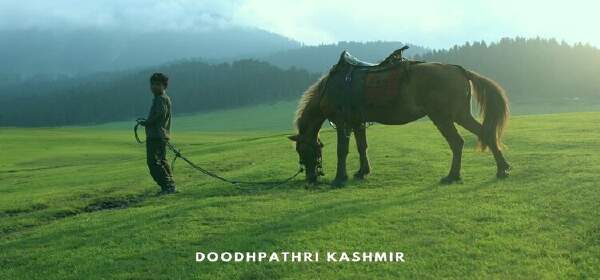
Local pony operators offer horse rides to nearby meadows and viewpoints. Horse riding remains one of the most popular activities for families and visitors who wish to explore areas beyond the main tourist zone.

Photography

Doodhpathri offers outstanding photography opportunities throughout the year. Visitors can capture alpine meadows, pine forests, mountain streams, grazing horses, snow-covered peaks and colourful sunsets.

Picnics

The valley is among Kashmir's favourite picnic destinations. Families often spend several hours enjoying packed meals beside the river while surrounded by lush green landscapes.

Nature Walks

Gentle walking trails across the meadows provide opportunities to appreciate the region's rich biodiversity, peaceful atmosphere and panoramic Himalayan scenery.


Nearby Attractions Around Doodhpathri

Doodhpathri can easily be combined with several nearby attractions, making it suitable for both day trips and extended Kashmir itineraries.

Destination Approximate Distance Highlights
Tangnar 4 km Forest picnic spot and mountain scenery
Palmaidan 6 km Large alpine meadow
Charar-e-Sharief 15 km Historic shrine of Sheikh Noor-ud-din Noorani
Yusmarg 30 km Offbeat meadow destination
Srinagar 42 km Mughal Gardens, Dal Lake and heritage attractions

Many travellers combine Doodhpathri with Yusmarg or Charar-e-Sharief to experience different landscapes within Budgam district.


How to Reach Doodhpathri

Doodhpathri is well connected by road from Srinagar and can comfortably be visited as a day excursion.

By Air

The nearest airport is Srinagar International Airport, located approximately 50 kilometres away. From the airport, visitors can hire taxis or private vehicles to reach Doodhpathri.

By Road

The route passes through Srinagar, Chadoora and Budgam before reaching the scenic meadows of Doodhpathri. Roads remain in good condition during most of the tourist season.

By Taxi

Private taxis remain the most convenient way to visit Doodhpathri. Aabdar Holidays also offers customised sightseeing tours including transportation and local guidance.


Distance from Major Destinations

Location Distance Approximate Travel Time
Srinagar 42 km 1.5 Hours
Srinagar Airport 50 km 1 Hour 45 Minutes
Gulmarg 75 km 2.5 Hours
Yusmarg 30 km 1 Hour
Pahalgam 115 km 3.5 Hours

Doodhpathri vs Gulmarg vs Yusmarg

Feature Doodhpathri Yusmarg Gulmarg
Main Attraction Meadows & River Peaceful Meadows Ski Resort
Crowds Low Very Low High
Commercialisation Minimal Very Low Highly Developed
Best For Families & Nature Peace & Photography Adventure & Snow Sports
Snow Activities Limited Limited Excellent

If you're looking for peaceful landscapes and natural beauty away from crowds, Doodhpathri is an excellent choice. Visitors interested in skiing and gondola rides may prefer Gulmarg, while Yusmarg offers an even quieter meadow experience.


Travel Tips Before Visiting Doodhpathri

  • Start early from Srinagar for maximum sightseeing time.
  • Carry warm clothing even during summer.
  • Wear comfortable walking shoes.
  • Carry drinking water and light snacks.
  • Respect the environment and avoid littering.
  • Keep cash for local vendors and pony rides.
  • Check weather conditions during winter before travelling.
  • Avoid stepping on flower beds or sensitive grasslands.
  • Book accommodation in advance during peak tourist months.
  • Hire local guides for longer nature walks if required.


Where to Stay Near Doodhpathri

Doodhpathri is primarily visited as a day-trip destination from Srinagar. However, visitors who wish to spend more time exploring the surrounding meadows and forests can choose accommodation in nearby towns or stay in Srinagar, which offers the widest range of hotels, resorts and houseboats.

Accommodation options include:

  • Luxury hotels in Srinagar
  • Boutique resorts
  • Traditional Kashmiri houseboats
  • Budget hotels
  • Guest houses
  • Homestays in nearby villages

Aabdar Holidays can arrange accommodation, sightseeing, transportation and customised Kashmir tour packages according to your travel preferences and budget.


Food and Local Cuisine

While Doodhpathri has a few seasonal food stalls and tea shops during the tourist season, visitors should not expect large restaurants inside the meadow area. Most travellers either carry light snacks or enjoy simple local food available near the parking area.

Popular local refreshments include:

  • Kashmiri Kahwa
  • Noon Chai (Pink Tea)
  • Maggi and local snacks
  • Fresh corn during summer
  • Pakoras and tea

Visitors planning a full-day excursion are advised to carry drinking water and essential refreshments.


Photography Guide

Doodhpathri is one of the most photogenic destinations in Kashmir. Every season offers unique landscapes that attract photographers from across India.

The best photography opportunities include:

  • Sunrise over alpine meadows
  • Doodh Ganga River flowing through green grasslands
  • Dense pine forests
  • Wildflowers during late spring
  • Snow-covered landscapes in winter
  • Horse grazing scenes
  • Traditional Gujjar settlements
  • Golden hour mountain views

Morning and late afternoon generally provide the best natural lighting for landscape photography.


Responsible Tourism in Doodhpathri

Doodhpathri remains one of Kashmir's cleanest and least-commercialised tourist destinations. Every visitor plays an important role in protecting its fragile Himalayan ecosystem.

Please help preserve the valley by following these responsible tourism practices:

  • Do not litter plastic waste.
  • Avoid disturbing wildlife.
  • Respect local culture and traditions.
  • Stay on designated walking paths.
  • Avoid damaging grasslands and flowers.
  • Support local businesses whenever possible.
  • Reduce the use of single-use plastics.
  • Leave the destination cleaner than you found it.

Environmental Importance of Doodhpathri

Doodhpathri is much more than a tourist attraction. It is an important Himalayan ecosystem that supports biodiversity, groundwater recharge and seasonal grazing. The extensive meadows absorb rainwater and snowmelt, helping regulate downstream river systems and reducing soil erosion.

The surrounding coniferous forests act as natural carbon sinks while providing habitat for numerous bird species, mammals and alpine vegetation. Conservation of this landscape is essential for maintaining ecological balance within the Kashmir Valley.


Our Local Experience

Our destination experts at Aabdar Holidays visit Doodhpathri regularly while operating Kashmir sightseeing tours. Based on our experience, weekdays during May, June and early July provide the best combination of pleasant weather, lush green landscapes and fewer crowds.

We also recommend starting your journey from Srinagar before 8:00 AM to enjoy peaceful surroundings, better photography opportunities and comfortable weather throughout the day.


Sources & References

  • Department of Tourism, Jammu & Kashmir
  • Forest Department, Jammu & Kashmir
  • India Meteorological Department (IMD)
  • Survey of India
  • Geological Survey of India
  • Local destination research by Aabdar Holidays
  • First-hand field observations by our travel experts

About the Author

Aabdar Holidays Editorial Team

This destination guide has been researched, written and reviewed by the travel specialists at Aabdar Holidays, a trusted Kashmir & Ladakh Destination Management Company. Our editorial team combines local knowledge, extensive destination research and practical travel experience to produce reliable and up-to-date travel guides for visitors exploring Kashmir.

Reviewed: August 2026


Editor's Note

Road conditions, snowfall, weather, tourism facilities and local regulations may change throughout the year. We regularly review and update this guide so travellers receive accurate, practical and reliable information before planning their visit to Doodhpathri.


Key Takeaway

Doodhpathri is one of Kashmir's most beautiful alpine meadow destinations, offering spectacular landscapes, crystal-clear rivers, rich biodiversity and peaceful surroundings. Whether you are planning a family holiday, honeymoon, photography tour or simply wish to experience untouched Himalayan nature, Doodhpathri promises an unforgettable journey in every season.


Plan Your Doodhpathri Tour with Aabdar Holidays

Aabdar Holidays offers customised Doodhpathri sightseeing tours, Kashmir holiday packages, private taxi services, hotel bookings, honeymoon packages and family vacations across Kashmir. Our experienced local team ensures comfortable transportation, authentic local experiences and carefully planned itineraries so you can enjoy the very best of Doodhpathri and other famous destinations across the Kashmir Valley.

Photo