

Best Time to See Snow in Kashmir: A Local Travel Planner's Honest Guide
Every year we get some version of the same message on WhatsApp: "Bhai, will there be snow when we visit?" It's the single most common question we field at Aabdar Holidays, and honestly, it's the right one to ask before you book anything — because in Kashmir, "winter" and "snow" aren't quite the same thing, and getting the timing wrong is the #1 reason first-time visitors feel let down.
So instead of the generic "December to February" answer you'll find everywhere, here's what we actually tell our guests when they call us from Hyderabad, Mumbai, or Delhi trying to time their trip.
The Short Answer
If snow is the whole point of your trip — not just a nice-to-have — mid-December through late February is your safest bet, with January being the most reliable month for heavy, settled snow across Gulmarg, Sonmarg, and the higher parts of Pahalgam.
But if you want the honest, longer answer (which will save you money and disappointment), keep reading.
Why "December to February" Isn't the Full Story
Kashmir's snow doesn't arrive on a schedule like a train. Higher-altitude spots — Gulmarg's upper phases, Sonmarg, and passes like Zojila and Sinthan Top — start catching snow well before the valley floor does, sometimes as early as late October or November. Meanwhile, Srinagar city itself might not see meaningful snow until well into December, if at all in a mild year.
This is exactly why "when is the best time to see snow in Kashmir" depends heavily on where you're going, not just when you're going. A family that wants to build a snowman in a quiet meadow has different needs than a couple chasing snow-covered Dal Lake shikara photos, or a group wanting to ski at Gulmarg.
Month-by-Month, From Someone Who Lives Here
November — This is the shoulder season. Higher reaches around Sonmarg and the passes leading toward Ladakh start getting their first proper snow, while the rest of the valley is still in golden-autumn mode with chinar leaves turning red and gold. Good for photographers who want snow and autumn colors in the same trip, not ideal if you want guaranteed snow everywhere.
December — This is when winter properly begins. Gulmarg usually gets its first heavy, settled snowfall, and this is when ski season and Gondola rides start becoming reliably good. Expect cold nights, occasional closed roads after fresh snowfall, and a valley that's noticeably quieter than peak summer — which a lot of our guests actually prefer.
January — The most dependable month for snow, full stop. This is peak winter, coldest temperatures of the year, and the month we recommend most often to guests whose main goal is a "real" snow experience — skiing, snowball fights, frozen landscapes, the works. Book your stay and transport well ahead, since this is also when winter tourism peaks.
February — Snow is still very much around, especially at altitude, but you'll start seeing the first signs of the season turning — softer light, occasional bright sunny days between snowfalls. Gulmarg's Gondola ride during this stretch is genuinely one of the most beautiful things we send guests to do; the mix of fresh snow and clearer skies makes for the best visibility of the season.
March — This is transition month. Lower areas start melting and Kashmir's famous tulip season begins gearing up, but higher spots like Sinthan Top, Sonmarg, and Pir Ki Gali can still hold snow well into the month. If you want both — a taste of snow and the start of spring blooms — late March can actually be a smart, less-crowded pick.
April onward — Snow retreats to the high passes and stays there through summer. If snow is genuinely your priority, this isn't your window — but it's a great time for gardens, gentler weather, and fewer crowds.
What Nobody Tells You Before You Book
A few things we've learned from actually running trips through Kashmir winters, not just writing about them:
- Roads can close temporarily after heavy snowfall, especially routes toward Sonmarg or higher passes. This isn't a reason to avoid winter — it's a reason to travel with a local operator who can reroute your itinerary same-day instead of you being stuck.
- Gulmarg's Gondola sometimes pauses operations in extreme weather. It's rare, but worth knowing so you're not caught off guard.
- Not every hotel handles winter well. Some properties in Pahalgam and Gulmarg are built and staffed for summer tourism and struggle with heating and access once heavy snow sets in. We only put guests in properties we know actually deliver in winter conditions.
- Layering matters more than one heavy jacket. Thermal base layers, a proper waterproof outer shell, wool socks, and gloves will serve you far better than a single bulky coat.
Frequently Asked Questions
Is it good to visit Kashmir in winter?
Yes — winter Kashmir is a completely different experience from the summer valley most photos show you. Fewer tourists, snow-draped landscapes, and activities like skiing and Gondola rides that simply aren't available the rest of the year.
Which month has the heaviest snowfall in Gulmarg?
January typically sees the heaviest and most consistent snow in Gulmarg, though December and February are also strong months.
Is the Gulmarg Gondola open in winter?
Yes, it operates through the winter months and is one of the top reasons people visit Gulmarg specifically in this season, weather permitting on any given day.
Do I need thermals in Kashmir during winter?
Yes. Nights and early mornings get well below freezing at altitude. Thermal layers under waterproof outerwear are the standard recommendation we give every guest.
Can I do a Shikara ride on Dal Lake in December?
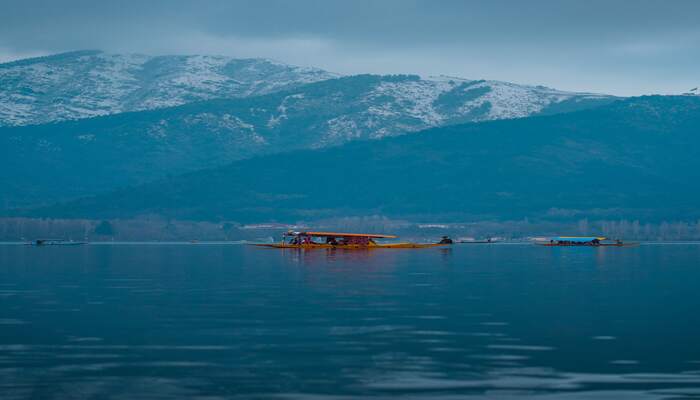
Yes, Shikara rides continue through winter, and honestly, gliding across the lake with snow on the surrounding hills is one of the more memorable versions of the experience.
Is Pahalgam accessible in December?
Yes, the main town remains accessible, though some higher points nearby may be snow-restricted depending on conditions that week.
Is Kashmir crowded during winter?
Compared to summer and the Amarnath Yatra season, no — winter is noticeably quieter, which many of our guests specifically ask for.
Planning Your Own Snow Trip
If chasing the perfect snowfall window sounds like a lot to figure out on your own — it is, honestly, even for people who've been coming here for years. Conditions shift week to week, and the "best" plan really depends on whether you're traveling with kids, chasing ski season, or just want a quiet, snowy escape.
That's the part we handle for our guests at Aabdar Holidays — we track conditions locally and build the itinerary around what's actually happening on the ground that week, not a generic calendar. If you want a straight answer on whether your travel dates will line up with good snow, reach out and we'll tell you honestly, even if that means suggesting you shift your dates by a week or two.
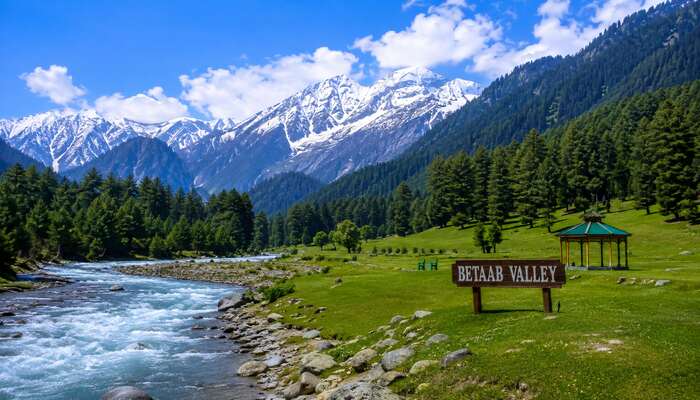 Pahalgam, Jammu & Kashmir: Complete Travel Guide & Packages 2026
  Kashmir Tour Packages 2026 – Best Kashmir Holiday Packages
  Solo Tour Packages: Kashmir & Ladakh Guide 2026